D79 Molecular EpidemiologyInfo Location Attendee Categories Contact More Info Event Information
DescriptionAbstract A wide range of disciplines, including epidemiology, psychiatry, and the biomedical sciences, increasingly use genetic and molecular data to study the determinants of health and disease. Making valid inferences from these data is challenging, requiring careful attention to study design, data quality, population structure, and interpretation. Molecular epidemiology provides a framework for integrating genomic and molecular measurements into population-based research to address these challenges. This course covers core concepts and methods in molecular epidemiology, with practical guidance on their application to real research questions. Topics include genotyping and sequencing data, quality control and imputation, genome-wide association studies, polygenic scores, heritability estimation, and functional annotation using eQTL and pQTL resources. Emphasis is placed on critical interpretation, reproducible workflows, and the limitations of current approaches.
Please see the "More Information Tab" or the link below
Event Location
Attendee CategoriesStudents.
Additional ItemsContactFor all queries in regards to this Course please contact the following :- Neil Davies
PLEASE ONLY CONTACT THE ONLINE STORE DIRECTLY IF YOU ARE EXPERIENCING PROBLEMS WITH YOUR DEBIT/CREDIT CARD PAYMENT, FOR ALL OTHER QUERIES RELATING TO THIS COURSE INCLUDING CANCELLATIONS THESE SHOULD BE DIRECTED TO THE CONTACT DETAILS ABOVE.
More InformationCourse summary · Introduction to molecular genetic data: genotyping, sequencing, QC, imputation · Study designs and data sources: population, family, and twin studies; omics resources · Genome-wide association studies (GWAS) and related association methods · Polygenic scores, heritability estimation, and LD score regression · Functional annotation, eQTL and pQTL analyses, and co-localisation · Diverse data in molecular research · Working in consortia, authorship, and reproducible pipelines
Who should apply?
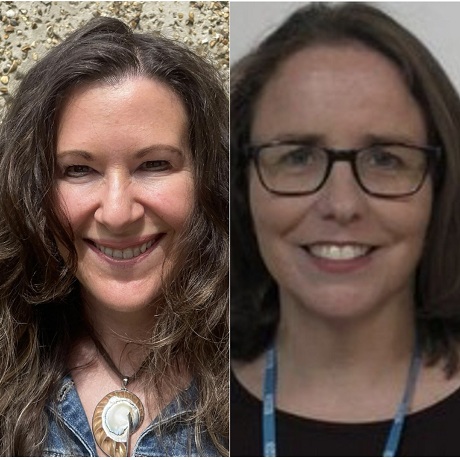
Tutors Neil Davies, Andrew Mcquillin, Karoline Kuchenbaeker, Isabella Badini, Dylan Williams (Division of Psychiatry), Jean-Baptiste Pingault (Division of Psychology and Language Sciences). | |||||||||||||||
London's global university